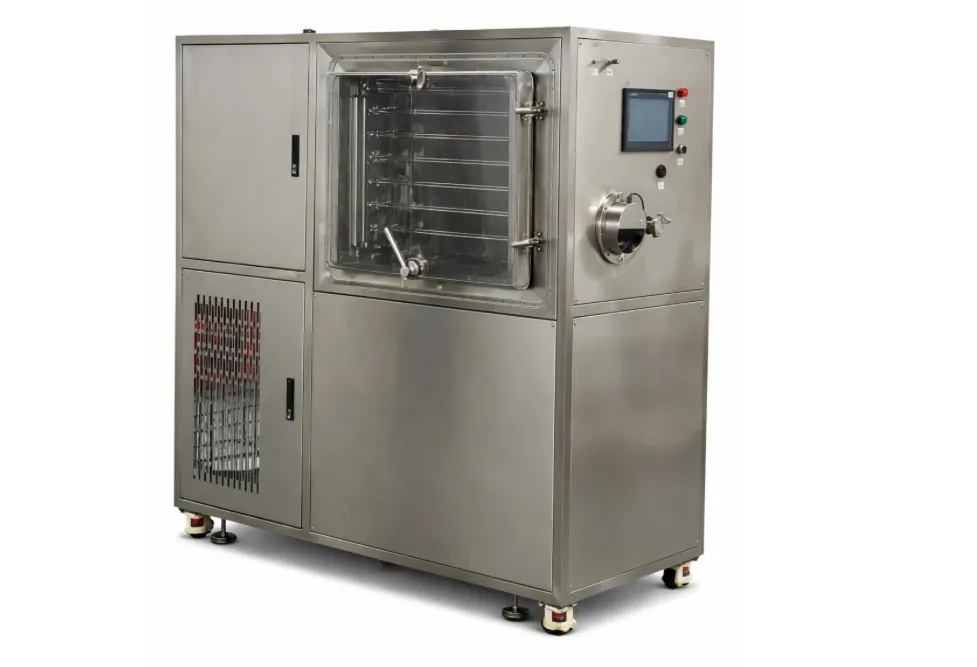
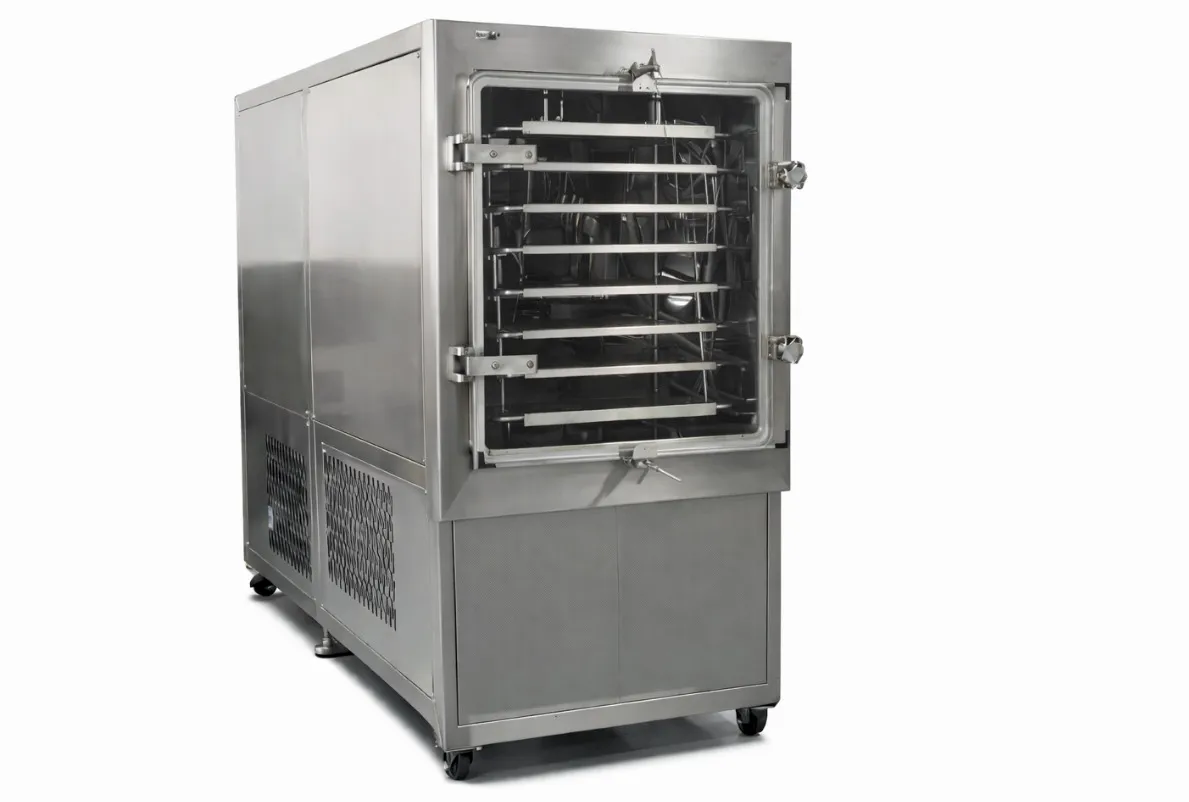
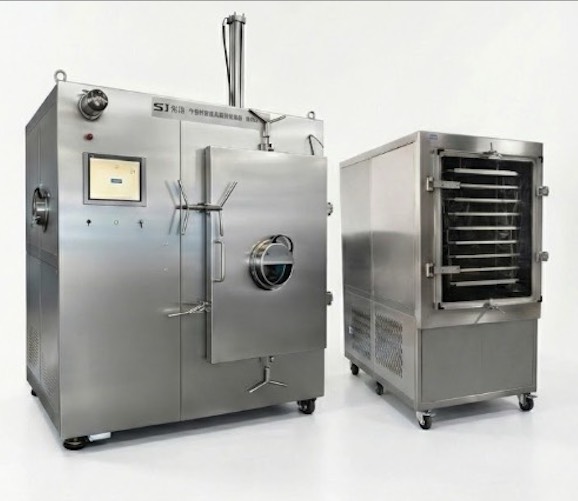
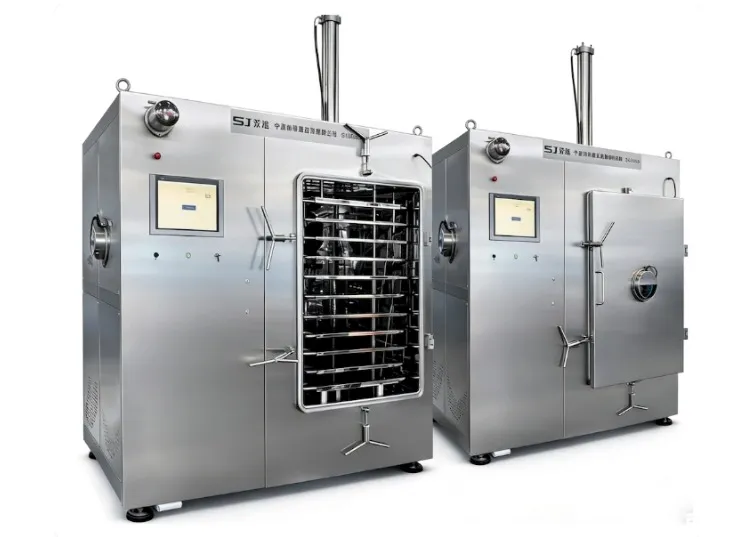
A pharmaceutical freeze dryer with CIP, SIP and stoppering is a fill-finish process system. The three features must be engineered as testable cycles and mechanical functions, not listed as isolated options in a quotation.
Define CIP coverage and drainability
List the chamber, shelves, condenser, drains, valves, ports and piping inside the cleaning boundary. Define soil, water quality, detergent, sampling and acceptance expectations.
Review spray coverage, shadow areas, flow, pressure, temperature and complete drainage in the installed orientation.
Define the SIP sterile boundary
Specify sterilization medium, temperature and exposure basis, air removal, condensate management and the boundary shared with filters, doors and barrier equipment.
Qualification planning should include sensor locations, empty and loaded studies where applicable, biological indicators and deviation handling.
Coordinate vial stoppering
Provide vial and stopper drawings, half-stopper position, shelf pitch and loading pattern. Define vacuum or gas-backfill closure and the required chamber pressure.
Factory testing should challenge shelf movement, parallelism, force, interlocks and representative containers.
Automation and documentation
The URS should define recipes, user access, audit trail, alarms, batch reports, data retention, backup and interfaces. Requirements associated with 21 CFR Part 11 or other regulations must be implemented and validated within the user system, not claimed from a PLC brand alone.
Frequently asked questions
Are CIP and SIP standard on every model?
They are project configurations and must be confirmed in the approved technical specification.
Does the control system automatically comply with 21 CFR Part 11?
Compliance depends on configured functions, procedures, infrastructure and validation. A component or software label alone is insufficient.